
Author name: Sourav Mahajan

thinking fast and slow summary

Thinking, Fast and Slow: The Story of How You Think Without Thinking

Blog

By Sourav Mahajan Imagine this: You’re walking down the street, and suddenly a ball rolls onto the road. Without even thinking, you step back. That instant decision saved you from being hit by a speeding car. Now picture this: You’re in a job interview. The panel asks you to estimate the revenue of an unknown startup. You pause, analyze, crunch numbers in your mind, and give a well-reasoned answer. These two moments feel completely different, right? One is instinctive. The other is thoughtful.One is fast. The other is slow. This is exactly what Nobel Prize-winner Daniel Kahneman explores in his iconic book:Thinking, Fast and Slow Two Systems That Control Your Life Kahneman says we all have two minds inside one brain: System 1 – The Fast Thinker Acts automatically and quickly Makes snap judgments Relies on experience, emotions, and intuition Example: Recognizing a face, solving 2 + 2 System 2 – The Slow Thinker Requires effort and logic Solves complex problems Deliberates and analyzes Example: Filling out tax forms, planning your goals We use System 1 to survive… but we need System 2 to succeed. The Mental Traps We Fall Into Kahneman reveals how our fast-thinking brain (System 1) is full of biases: Anchoring Bias – You rely too much on the first piece of information. Confirmation Bias – You only notice things that support what you already believe. Availability Heuristic – You think something is true just because it’s easy to recall. These mental shortcuts may help us react quickly, but they often lead to bad decisions. That’s why he urges us to slow down, think critically, and check our assumptions. Real-Life Application: Why This Book Can Change How You Think Students make better study choices.Entrepreneurs take smarter risks.Investors avoid emotional decisions.Everyday people learn how to trust intuition—but not blindly. Kahneman doesn’t just give theories—he gives you a mirror to your mind. Final Words from Sourav Mahajan “You are not as rational as you think—but you can be, if you know how your mind tricks you.” This book teaches you to stop reacting and start responding.It helps you go from autopilot to awareness.And most of all—it teaches you that thinking clearly is a skill anyone can master. If you want to sharpen your mindset, control your impulses, and make powerful life decisions, Thinking, Fast and Slow is your guide. Read the Full Book You can explore the full book here:🔗 Thinking, Fast and Slow on Amazon हिंदी में छोटा सारांश: “Thinking, Fast and Slow” एक किताब है जो हमें सिखाती है कि हमारा दिमाग कैसे सोचता है — कभी तेज़ और कभी धीरे। इसमें बताया गया है कि जल्दी लिए गए फ़ैसले कैसे हमें धोखा दे सकते हैं और सोच-समझ कर लिए गए फ़ैसले कैसे हमारी ज़िंदगी बदल सकते हैं। यह किताब हर छात्र, उद्यमी और सोचने वाले व्यक्ति के लिए एक गाइड की तरह है।

overcoming failure

Overcoming Failure: Lessons Sourav Mahajan Wants Every Person to Know

Blog

In India, we’re often taught to celebrate success, but rarely are we taught how to embrace failure.Yet every successful person I know — including the top motivational speakers in the country — has one thing in common: they’ve failed, and they’ve learned from it. When I stand on stage today, people see the confidence, the stories, and the achievements. What they don’t always see are the moments I stumbled — the talks with almost no audience, the business ideas that didn’t work, the projects that fell apart.Failure, my friends, is not the opposite of success — it’s the pathway to success. 1. Accept Failure as a Teacher, Not a Judge In our culture failure is often seen as shameful. But in reality, it’s life’s most honest teacher.My early speaking days were filled with mistakes — from stage fright to poor delivery. But each one taught me how to be better.💡 Lesson: Don’t ask, “Why me?” — ask “What is this trying to teach me?” 2. Redefine What Failure Means In India, many see failure as the end. I see it as feedback.If you didn’t clear a competitive exam or your startup didn’t take off, it doesn’t mean you’re not capable — it means you need a new approach.💡 Lesson: Failure is data. Use it to adjust your strategy, not abandon your dream. 3. Build Emotional Resilience The difference between those who rise after failure and those who don’t is resilience.I learned this the hard way — after a business loss. I gave myself time to feel the pain, but I didn’t allow it to define me.💡 Lesson: Allow yourself to feel disappointed, but set a limit on how long you stay there. 4. Learn from Those Who Have Been There Every motivational speaker you admire has failed — sometimes multiple times.When I meet other speakers and entrepreneurs, we rarely talk about success first. We share our failure stories because that’s where the real lessons lie.💡 Lesson: Surround yourself with people who treat failure as growth not defeat. 5. Keep Moving Forward One of the most dangerous effects of failure is paralysis — the fear of trying again.I’ve seen talented individuals stop chasing their dreams because they’re afraid of failing twice. But the truth is, the next time you try, you’re already stronger and wiser than before.💡 Lesson: Take the next step, even if it’s small Momentum heals fear. Final Words from Sourav Mahajan If there’s one thing I’ve learned. it’s this: Failure is proof that you’re trying.Every speech I deliver every entrepreneur I mentor and every young mind I inspire comes from the lessons failure has taught me.So don’t hide from your failures. Wear them like badges of honour — because they are the marks of someone who dared to dream and dared to try.  

learning skills in 20s

How to Manage Studies and Build Learning Skills in Your 20s

Blog

Your 20s can either build you—or blur you. Especially when you’re in a Tier 2 city, without big universities, global exposure, or coaching brands screaming on every corner—it’s easy to feel behind. But let me tell you something: it’s not your city that limits you. It’s your choices. This blog is for every student or young adult wondering:“How do I balance studies, learn valuable skills, and grow in life—even from a small town?” The answer: Discipline, Digital leverage, and Daily action. Why the 20s Matter So Much Your 20s are your foundation years: The habits you build now shape the next 40 years of your life It’s your best time to learn fast, fail fast, and build resilience This decade decides whether you lead or follow And the best part? Tier 2 cities give you focus, fewer distractions, and more affordable living to experiment and grow. Step 1: Build a Ruthless Study System You don’t need a posh coaching centre—you need a system that works: The 3-Hour Rule Dedicate 3 focused hours a day (with 100% attention) on your main subject or competitive exam.Use the Pomodoro Technique (25 min study + 5 min break). Weekly Self-Review Every Sunday, spend 30 minutes reflecting: What did I learn? What confused me? What will I improve next week? Step 2: Build Learning Skills Beyond Textbooks The world doesn’t reward what you know—it rewards what you can do with what you know. Here’s how to build relevant skills: Leverage Free Digital Resources YouTube (Channels like Unacademy, StudyIQ, Aman Dhattarwal) Coursera, Udemy, and edX offer free/affordable courses on communication, coding, design, finance  Top Skills to Learn in Your 20s: Communication – for jobs, interviews, and confidence MS Excel / PowerPoint – for almost any job or startup Digital Marketing – freelancing, startups, branding Basic Coding / No-Code Tools – websites, apps, automations English Speaking – use Duolingo, Cambly, or daily reading aloud Even in a Tier 2 city, the internet makes the world your university. Step 3: Manage Your Day Like a Leader Stop saying “I don’t have time.” Start tracking how you use it. Ideal Day Template: 🛏 6:30 AM – Wake up, light workout, gratitude 📚 7:30–10:30 AM – Deep study block 🍲 10:30–11:30 AM – Break + light entertainment 💻 12:00–2:00 PM – Learn a skill online ☕ 2:00–4:00 PM – Revision / assignments 📖 5:00–6:00 PM – Read a book (start with “Atomic Habits” or “Rich Dad Poor Dad”) 🌙 9:30 PM – Wind down, journal wins + plan tomorrow It’s not about being “busy.” It’s about being intentional. Step 4: Surround Yourself with Growth Energy Even in a Tier 2 city, you can find your digital tribe: Join Telegram or Discord groups related to your field Follow creators who inspire learning, not just lifestyle Attend webinars or local youth events Start a WhatsApp group with 2-3 serious friends for accountability Remember: “If you can’t change your environment, change what your mind feeds on.” Q1. Can students in Tier 2 cities really compete with metro kids? Absolutely. With focus, digital tools, and consistency, you can beat people with more resources but less discipline. Q2. How do I stay motivated while studying alone? Create a routine, reward yourself after study goals, and watch 1 motivational video each morning (but don’t over-consume). Q3. What’s the best skill to learn during college? Communication, Excel, Public Speaking, and one technical/digital skill like design, video editing, or marketing. Q4. How do I avoid distractions (like Instagram or Netflix)? Use apps like Forest, Focus To-Do. Keep your phone in another room during deep study blocks. Final Words from Sourav Mahajan “The difference between a Tier 2 city and a Tier 1 life… is your mindset.” Your 20s aren’t meant to be easy. They’re meant to shape your fire.You don’t need a big city to win. You need big clarity, a strong routine, and relentless effort. If you manage your time well, build the right skills, and believe in long-term growth—you’ll surprise the world one day. And that story? It’ll start from a Tier 2 city.

Top 10 daily habits

Top 10 Daily Habits of Highly Successful People

Blog

Success is not an accident – it’s the result of consistent actions, mindset and habits that shape your journey every single day. I Sourav Mahajan, have built my career and personal growth by living these habits daily Whether you’re a student, entrepreneur or professional these practices will not just improve your productivity — they’ll transform your life. 1. Start Your Day with a Clear Intention Every successful day starts with the right mindset. Before touching my phone or jumping into work. I take 10 minutes to set my intention.Why it works: It channels your energy and keeps you calm even on hectic days.💡 Example: In my early days, I would write down just one strong goal each morning. This simple habit turned my confusion into steady progress — just like laying one brick a day builds a strong home. 2. Prioritize Health & Energy Your body is your first investment. I dedicate at least 30 minutes daily to exercise — sometimes a workout and sometimes yoga.Why it works: A healthy body fuels a sharper mind and longer endurance.💡 Pro Tip: Even a 15 minute walk can spark creative ideas. 3. Learn Something New Every Day Lifelong learning is my non-negotiable. From books to podcasts to online courses. I make sure I expand my knowledge daily.Why it works: Growth in knowledge expands your opportunities.💡 Example: Many of my keynote topics are inspired by lessons from books I read months earlier. 4. Practice Gratitude Gratitude changes how you see the world. Every night I write down 3 things I’m grateful forWhy it works: It trains your brain to focus on abundance not scarcity. 5. Master Time Management I use the “80/20 rule” — 80% of results come from 20% of actions. I schedule my day around the most important tasks.💡 Example: During my business growth phase cutting out time-wasting tasks doubled my results in half the time. 6. Network with Purpose I connect with people who inspire and challenge me. Successful people surround themselves with growth minded individual. 7. Practice Self – Discipline Motivation gets you started but discipline keeps you going. Even when I don’t feel like it I stick to my routine. 8. Visualize Your Goals Every morning I spend 2 minutes visualizing my success — the audience clapping after a seminar a client closing a deal a student succeeding.Why it works: The mind believes what you repeatedly imagine. 9. Give Back True success includes making a positive impact. I mentor aspiring entrepreneurs and students because helping others fuels my own journey. 10. Stay Consistent No Matter What Consistency is the bridge between dreams and reality. I didn’t get here overnight — it was small repeated actions over years that built my success. Final Thought from Sourav Mahajan I’m not just sharing these habits because l’ve read about them — I’ve lived them. Every talk I deliver every person I mentor is proof that these habits work. If you start today and stick to them you’l see your life transform in ways you never imagined.

Akash Ambani

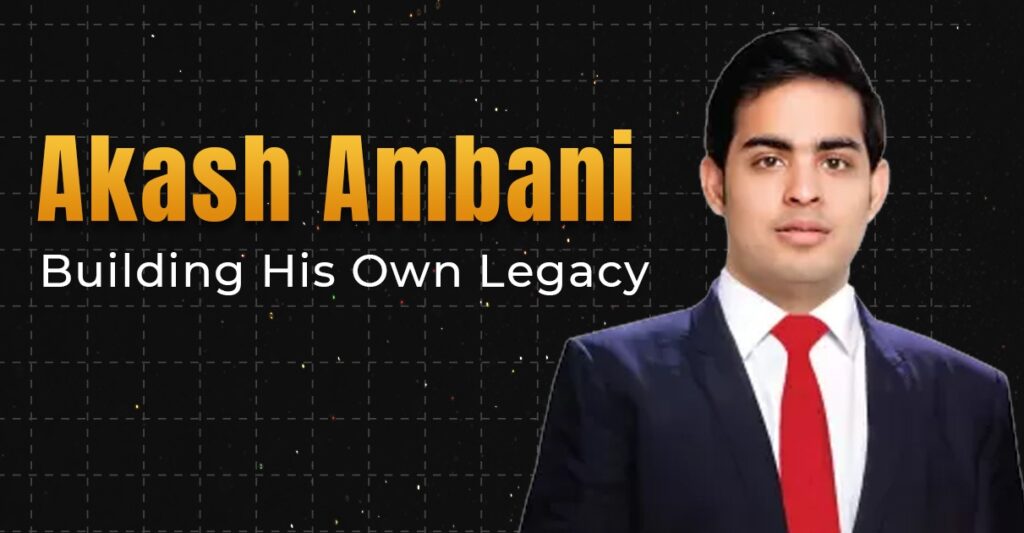
Akash Ambani: Building His Own Legacy

Blog

At just 33, Akash Ambani is not merely the heir to India’s richest family—he’s a train-the-train leader transforming the country’s digital landscape through Reliance Jio. His journey—backed by elite education, strategic mastery, and youthful grit—deserves a spotlight of its own. Akash Ambani Education & Background Schooling: Completed from Campion School and Dhirubhai Ambani International School, Mumbai careerindia.com+13simple.wikipedia.org+13fortuneindia.com+13. University: Graduated with a Bachelor’s in Economics from Brown University, USA (2014) people.com+6careerindia.com+6starsunfolded.com+6. Noteworthy: Member of Brown University’s President’s Leadership Council fortuneindia.com+5ril.com+5facebook.com+5. His education sharpened his analytical thinking and global perspective—essential in today’s tech-driven economy. Akash Ambani Biography: From Classroom to Boardroom Born: 23 October 1991, Mumbai, to Mukesh and Nita Ambani siasat.com+15en.wikipedia.org+15starsunfolded.com+15. Family: Eldest cousin of the current generation—twin brother to Isha Ambani, elder to Anant en.wikipedia.org+15people.com+15newsroompost.com+15. Marriage & Kids: Married childhood friend Shloka Mehta (2019); two children—Prithvi and Veda dailyexcelsior.com+6simple.wikipedia.org+6starsunfolded.com+6. What Does Akash Ambani Do? As Chairman of Reliance Jio (appointed June 2022), Akash: Leads India’s digital push in 5G, AI, IoT, and blockchain fortuneindia.com+7siasat.com+7simple.wikipedia.org+7careerindia.com. Directs rollout of affordable tech—like JioPhone—impacting 100M+ Indians . Serves on boards like Jio Platforms and Reliance Retail Ventures newsroompost.com+5ril.com+5en.wikipedia.org+5. Co-owns Mumbai Indians IPL team, contributing to multiple titles en.wikipedia.org+2ril.com+2m.economictimes.com+2. Who’s Richer: Akash or Anant? Akash Ambani holds key leadership at Reliance Jio and is a globally recognized young leader. Anant Ambani, younger brother, focuses on sustainable energy ventures. While precise personal wealth numbers aren’t public, Akash’s strategic role at Jio likely gives him higher influence and assets than Anant at this time. 🇺🇸 Is Akash Ambani a US Citizen? Akash is Indian by nationality omeka.prmuseum.org+11simple.wikipedia.org+11en.wikipedia.org+11bollywoodshaadis.com+7tbsnews.net+7en.wikipedia.org+7.Though born in India, he studied in the U.S. Attending Brown does not grant U.S. citizenship. His nationality remains firmly Indian. Which College Did Akash Ambani Study In? He attended Brown University in Providence, Rhode Island, earning his degree in Economics in 2014 starsunfolded.com. Brown’s open curriculum helped shape his flexible, innovative thinking. Final Words from Sourav Mahajan Akash Ambani isn’t just inheriting an empire—he’s engineering it for tomorrow.With world-class education, digital acumen, and a future-focused mindset, he represents a new generation of Indian leaders—bold, tech-savvy, and globally aware. If you’re building your path—follow his trajectory: educate rigorously, lead courageously, and innovate relentlessly. Who is Akash Ambani? The eldest son of Mukesh Ambani, he’s the visionary Chairman of Reliance Jio, known for spearheading India’s digital transformation. What does Akash Ambani do? He leads Jio’s tech innovations—5G, AI, IoT—and plays a strategic role in Reliance’s digital, retail, and sports businesses. Who is richer, Akash or Anant? While both are influential, Akash’s leadership at Jio places him ahead in influence and likely net worth. What is Akash Ambani doing? He’s driving Jio’s cutting-edge services and devices, expanding digital access, and co-managing the Mumbai Indians IPL franchise. Is Akash Ambani a US citizen? No, he remains an Indian national, though he studied in the U.S. Which college did Akash Ambani study in? Akash graduated from Brown University with a B.A. in Economics in 2014.

motivational poem in hindi

Motivational Poem in Hindi: ज़िंदगी की जंग जीतने वाली कविता

Blog

“थोड़ा और चलो”(A self-motivation poem in Hindi about never giving up) जब थक जाओ, रुकना मत — थोड़ा और चलो,मुश्किलें हों चाहे जितनी — सूरज बनकर जलो। काँटे भी होंगे राहों में — ख्वाबों से डरना मत,गिर जाओ अगर तो भी — खुद से शर्माना मत। मंज़िलें उन्हीं को मिलती हैं — जिनमें हौसला होता है,हर अंधेरी रात के बाद — एक सवेरा होता है। कोई और नहीं बनाएगा — वो सपना जो तुझमें पलता है,खुद को साबित करने का — यही तो असली मौका है। रुकावटें तुझे रोकेंगी — तू बस रुकना मत,थक जाए अगर ये दुनिया — तू झुकना मत। हालात चाहे जैसे हों — तू जंग लड़ता चल,औरों को बदलने से पहले — खुद से भिड़ता चल। चल पड़े हो जो रास्ते पर — अब मुड़ना नहीं,जीत बस कुछ दूर है — अब रुकना नहीं। जब थक जाओ, रुकना मत — थोड़ा और चलो… इस कविता का सार (The Essence of This Life Kavita in Hindi) यह hindi kavita on life उन सभी के लिए है जो ज़िंदगी की जंग लड़ रहे हैं—बिना किसी सहारे, बिना किसी गारंटी के, सिर्फ़ अपने हौसले के भरोसे। यह कविता एक self motivation poem in Hindi है जो आपको याद दिलाती है कि थक जाना मंज़िल से दूर नहीं करता, रुक जाना करता है। जीवन संघर्ष की प्रेरणादायक कविताएँ (Life Struggle Inspirational Poems in Hindi) कविता का उपयोग तब करें जब: मन निराश हो संघर्ष भारी लगे हार जीत से बड़ी लगे तभी तो ये लाइनें आपको फिर से ज़िंदा कर सकती हैं: “रुकावटें तुझे रोकेंगी — तू बस रुकना मत… अंतिम शब्द (Final Words by Sourav Mahajan) कभी-कभी शब्द वो कर जाते हैं जो हज़ार सलाह नहीं कर पाती। अगर यह कविता आपके दिल को छू गई — तो इसे अपने नोटबुक में लिखो, अपनी दीवार पर चिपकाओ, और सबसे ज़रूरी — इसे जीओ। क्योंकि संघर्ष जितना गहरा होगा, जीत उतनी ऊँची होगी।

failure breeds success

Failure Breeds Success: The Truth Behind Every Triumph

Blog

We admire success. Applaud achievements. Celebrate winners.But what we don’t always see?The late nights. The rejections. The countless breakdowns behind every breakthrough. “Success doesn’t happen miraculously. Sometimes dreams are fulfilled after a series of failures.” It’s not failure that stops us—it’s how we respond to it. Because the truth is: failure is not the opposite of success—it’s the ingredient. 🧠 Why Failure is the Best Teacher Failure introduces you to the real version of yourself.It strips away comfort and reveals character. When things go wrong: You learn what doesn’t work You get a chance to adapt You develop grit, creativity, and humility Greatness doesn’t come to those who never fall. It comes to those who fall, rise, and evolve. 🌟 Real-World Icons Who Failed First ✍️ Thomas Edison Created 1,000 failed prototypes before inventing the light bulb. His response? “I didn’t fail. I just found 1,000 ways that didn’t work.” 🏀 Michael Jordan Cut from his high school basketball team. Later said: “I’ve failed over and over and over again in my life. And that is why I succeed.” 🧪 APJ Abdul Kalam From a failed dream to become a fighter pilot to becoming the Missile Man of India and the People’s President—his story proves failure redirects you to your real mission. 🔁 The Failure-Success Cycle Here’s how it actually works: Failure – You miss, fall, lose. Reflection – You learn what needs to change. Adjustment – You grow smarter and sharper. Consistency – You try again, better than before. Success – It finds you not when you’re perfect, but when you’re persistent. 🚫 Don’t Let These Myths Stop You Myth 1: Failure means I’m not good enough.Truth: Failure means you’re trying—something most never do. Myth 2: I’ll never recover.Truth: Every recovery makes you stronger. Myth 3: People will judge me.Truth: The people who matter are watching how you rise, not how you fall. ✅ How to Embrace Failure Like a Winner Shift your perspective – See failure as feedback. Detach ego from outcome – You are not your results. Fail fast, fail forward – The quicker you learn, the sooner you succeed. Surround yourself with growth thinkers – People who value learning, not just perfection. 💬 Final Words from Sourav Mahajan If you’re reading this after a setback—good. That means you’re still in the game. The difference between winners and quitters isn’t that winners don’t fail. It’s that they don’t stay down. “Sometimes you lose. Sometimes you learn. But every time, you grow.” Success isn’t about avoiding failure. It’s about mastering it.So next time life knocks you down, smile. You’re one step closer to the breakthrough that was meant for you.

Motivational Speakers with Disabilities

Motivational Speakers with Disabilities: Turning Limitations into Legends

Blog

The world often sees disability as limitation. But these remarkable individuals prove otherwise. They’ve turned pain into purpose, barriers into breakthroughs, and their lives into living testaments of the human spirit. These motivational speakers with disabilities don’t just speak—they awaken something deep within us: the will to rise, no matter the fall. 10 Powerful Motivational Speakers with Disabilities 1. Nick Vujicic (Australia) Born without arms and legs, Nick travels the world spreading hope. His message? “No limbs. No limits.”Author of Life Without Limits Global speaker on resilience and faith 2. Dr. Malvika Iyer (India)   A blast survivor who lost both hands at 13. Today, she’s a PhD scholar, UN speaker, and disability rights activist. TEDx speaker National Award winner for empowerment 3. Stephen Hawking (UK)   Though affected by ALS, he became one of the most brilliant minds of all time. His lectures inspired generations. Author of A Brief History of Time A symbol of intellectual perseverance 4. RJ Kartik (India)   Visually impaired yet a voice that reaches millions. RJ Kartik proves that you don’t need sight to create vision. Popular radio jockey and storyteller Known for motivational voiceovers 5. Jessica Cox (USA)   The world’s first armless pilot. She flies planes with her feet—and breaks stereotypes with her speeches. Guinness World Record holder Disability rights speaker 6. Dinesh Palipana (Australia)   Quadriplegic doctor and motivational speaker. First medical intern with a disability in Queensland. Advocate for inclusive healthcare Speaker on grit and ambition 7. Haben Girma (USA)   First deaf-blind graduate of Harvard Law. She speaks on inclusion, access, and overcoming silence with service. Civil rights lawyer Global advocate for the differently-abled 8. Anu Garg (India-USA)   Diagnosed with vitiligo, Anu turned to words. He founded Wordsmith.org and speaks on self-worth and identity. Popular wordsmith and author TED speaker 9. Deepa Malik (India)   Paralyzed from the chest down, she became India’s first female Paralympic medalist. Arjuna Award recipient Powerful speaker on courage and sports 10. Aaron “Wheelz” Fotheringham (USA)   Extreme wheelchair athlete and speaker. Shows that wheels are not a weakness—they’re wings. Inventor of wheelchair motocross Speaker on fearless mindset What Makes Them Truly Powerful? These speakers prove that: Resilience is louder than excuses Courage is greater than criticism Disability is not inability—it’s a different ability Their strength lies not in what they lost, but in what they chose to become. Why are motivational speakers with disabilities so impactful? Because they speak not from theory but from experience. Their lives are proof of what mindset, grit, and purpose can overcome. How can people with disabilities become speakers? By embracing their story, developing communication skills, and focusing on the value they bring to others through lived experiences. Are there platforms in India supporting such voices? Yes. TEDxIndia, UN initiatives, NGOs, and events like Josh Talks feature and support disabled voices. What lesson can we learn from them? That every excuse we hold onto is breakable. And every limitation is an invitation to grow stronger inside. 💬 Final Words from Sourav Mahajan These speakers don’t need pity. They command respect.They’ve made their pain their purpose—and their setbacks their stages. So if you’re ever doubting yourself, remember: “If they can speak light through darkness, you can rise through your silence.” Let their stories ignite your fire. Let their courage become your call to action.Because inspiration doesn’t walk—it rises, rolls, and roars.

famous business women in india

Famous Business Women in India: Power, Purpose & Pioneering Spirit

Blog

In a world where glass ceilings still crack, several Indian women are not just shattering them—they’re rewriting the narrative. From biotech and beauty to tech and media, these famous business women in India represent courage, innovation, and unbreakable resolve. Below are the top 10 female entrepreneurs in India, each an icon of ambition—proof that dreams backed by grit can change the country’s destiny. The Iconic Top 10 Female Entrepreneurs in India Kiran Mazumdar‑Shaw (Founder, Biocon) –A biotech pioneer who built India’s largest biopharma empire from a garage startup qween.in+5startuptalky.com+5wework.co.in+5. Falguni Nayar (Founder & CEO, Nykaa) –  Rewriting e‑commerce success by launching at 50 and becoming India’s richest self-made woman voguebusiness.com+6lxme.in+6wework.co.in+6. Vandana Luthra (Founder, VLCC) –   Wellness leader featured in Fortune’s most powerful businesswomen list mba.com+9wework.co.in+9startuptalky.com+9. Radhika Ghai Aggarwal (Co‑founder, ShopClues and Kindlife) –  Early female unicorn creator in e‑commerce voguebusiness.com+4qween.in+4wework.co.in+4. Upasana Taku (Co‑founder, MobiKwik) –   Fintech innovator bringing digital wallets to millions qween.in+5startuptalky.com+5startuptalky.com+5. Shradha Sharma (Founder, YourStory) –  Founding India’s leading startup media platform mba.com+11startuptalky.com+11startuptalky.com+11. Aditi Gupta (Co‑founder, Menstrupedia) –  Social entrepreneur breaking taboos and educating millions startuptalky.com+3startuptalky.com+3qween.in+3. Ghazal Alagh (Co‑founder, Mamaearth) – Bringing toxin-free personal care into Indian homes startuptalky.com+1startuptalky.com+1. Suchi Mukherjee (Founder, LimeRoad) –  Reinventing online fashion retail from motherhood insights entrepreneur.com+14qween.in+14startuptalky.com+14. Vineeta Singh (Founder & CEO, Sugar Cosmetics) –  Beauty disruptor and Shark Tank India judge startuptalky.com+3en.wikipedia.org+3mews.in+3. Mindset Lessons from These Trailblazers Bold Beginnings: Falguni launched Nykaa at 50—your age should never limit your ambition wework.co.in+2lxme.in+2mews.in+2. Purpose Before Profit: Aditi’s Menstrupedia and Ghazal’s Mamaearth show value-driven entrepreneurship qween.in+3startuptalky.com+3startuptalky.com+3. Courage to Disrupt: Upasana, Radhika, and Suchi moved into fintech, e‑commerce, and fashion without fear qween.in. Stay Resilient: Vineeta’s journey faced bias but she persisted—and succeeded . Lead with Vision: Kiran and Vandana proved global impact begins with conviction startuptalky.com. Who is the No 1 business woman in India? Often named are Kiran Mazumdar‑Shaw and Falguni Nayar—both trailblazers in biotech and e‑commerce. Who are the 5 women CEOs in India? Falguni Nayar (Nykaa) Radhika Ghai Aggarwal (Kindlife) Upasana Taku (MobiKwik) Vineeta Singh (Sugar Cosmetics) Shradha Sharma (YourStory) Which is the best business for women in India? Beauty & wellness (Nykaa, Sugar Cosmetics), biotech (Biocon), fintech (MobiKwik), and social entrepreneurship (Menstrupedia) are all thriving under women-led enterprises Who are the top 10 female entrepreneurs? The top 10 are listed above—from Kiran and Falguni to Vineeta Singh. 💬 Final Thoughts from Sourav Mahajan These famous business women in India aren’t just entrepreneurs—they’re mindset game-changers. They prove: Success starts with vision Grit outlives barriers Empowerment and entrepreneurship go hand-in-hand To every ambitious woman (or anyone with a bold idea): learn from them. Start now. Stay fearless. And build your legacy.

dhirubhai ambani

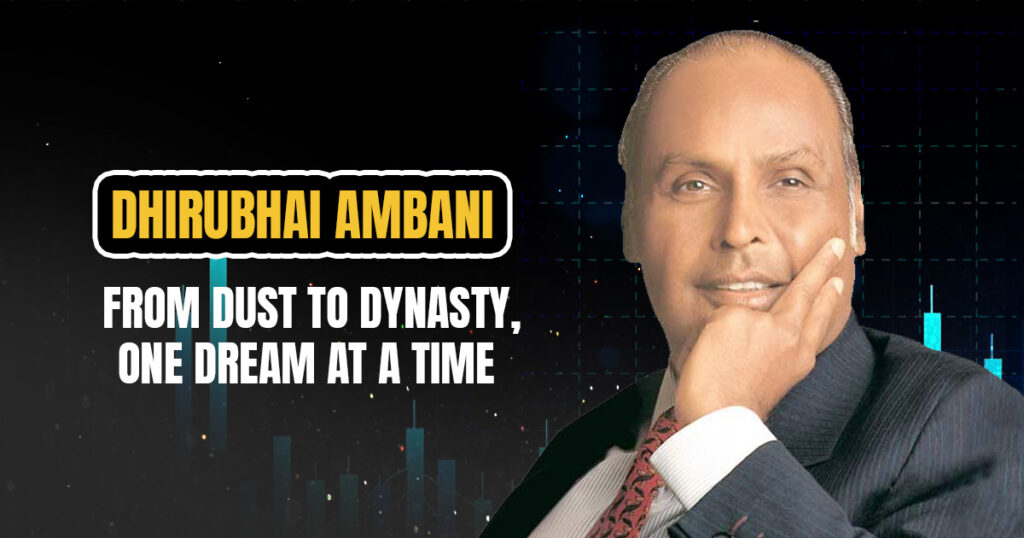
Dhirubhai Ambani: From Dust to Dynasty, One Dream at a Time

Blog

Some build businesses.Others build legacies. Dhirubhai Ambani, the man behind Reliance, didn’t just create a company—he created a mindset that became a movement. A mindset that whispered to every middle-class boy in India: You don’t need a godfather. You just need guts. Born to a humble schoolteacher, Dhirubhai Ambani’s father didn’t hand him an empire—he handed him values. Integrity. Ambition. Relentless hunger. And Dhirubhai? He turned those values into ventures—and those ventures into victory. 💭 What Was the Personality of Dhirubhai Ambani? He was a storm disguised as silence. ✅ Calm, but calculating.✅ Humble, but fiercely confident.✅ Grounded in roots, but always looking at the sky. He didn’t just dream big. He dreamed impossible—and then chased it with strategy, risk, and unmatched belief. His personality wasn’t loud—it was magnetic. People followed not because he demanded it, but because he earned it. 🧠 Dhirubhai’s Mindset: Think Big, Start Small, Act Fast Most people wait. He acted.Most feared loss. He chased scale.Most asked “what if?” He asked “why not?” The Dhirubhai Ambani success story is not about overnight wins—it’s about long-term thinking powered by unstoppable belief. “Ideas are no one’s monopoly,” he once said. And that wasn’t a quote—it was a declaration. That you and I, too, can rise from nowhere and build anything. ⚙️ What Was Dhirubhai Ambani’s Behavior? 🔹 Obsessed with speed🔹 Addicted to growth🔹 Focused on value creation He didn’t wait for opportunity—he created it.He didn’t follow rules—he redefined them. His behavior was built on a simple code: “Don’t complain. Compete. Don’t hesitate. Execute.” 🔥 Dhirubhai Ambani’s Inspiration: Turning Setbacks into Strategy He didn’t grow up in luxury. He didn’t have investors backing him. But he had something more powerful—vision and will. Where others saw limits, he saw leverage.Where others quit, he began. From selling “pakoras” in Yemen to owning India’s largest private company—his life proves that limits live only in our minds. What was Dhirubhai Ambani’s inspiration?It was India’s potential. The belief that every Indian, no matter how small, deserved to dream big. 📚 What Lesson Did You Learn from the Life of Dhirubhai Ambani? If you’re waiting for the perfect moment—it doesn’t exist.If you think greatness comes with a silver spoon—you’ve been lied to. Here’s what Dhirubhai Ambani’s story teaches: ✅ You don’t need a rich background. You need a rich mindset.✅ You don’t need connections. You need clarity.✅ You don’t need luck. You need relentless action. Success isn’t found. It’s forged—with courage, chaos, and consistency. What was the personality of Dhirubhai Ambani? He was visionary, grounded, and magnetic. Quiet in nature but bold in ambition. What was Dhirubhai Ambani’s behavior? He was driven, action-oriented, optimistic, and known for taking big, calculated risks with confidence and speed. What was Dhirubhai Ambani’s inspiration? His inspiration was India’s untapped potential and his belief that ordinary people can create extraordinary success. What lesson did you learn from the life of Dhirubhai Ambani? That the power to change your destiny lies in your mindset—not your background. Success demands vision, resilience, and bold decisions. 💬 Final Words from Sourav Mahajan Dhirubhai Ambani didn’t just build Reliance. He built hope.He was proof that even a man from a village could one day compete with the world’s richest. To every dreamer, student, or young entrepreneur reading this—know this: You don’t need to be born rich to die legendary.You need a fire in the belly, a vision in your mind, and the courage to bet on yourself every single day. Because someday, your name could be someone else’s inspiration—just like his is yours today.

Open chat
1
Hello 👋
Can we help you?